Credit Score Ranges: What Is a Good Credit Score?
Credit scores are usually shown on a scale from 300 to 850, but the number alone does not tell the whole story. A score may be labeled poor, fair, good, very good, or exceptional depending…

Credit scores are usually shown on a scale from 300 to 850, but the number alone does not tell the whole story. A score may be labeled poor, fair, good, very good, or exceptional depending…
PennyRoute Calculator Compare Your Debt Payoff Options Add your balances, interest rates, and monthly payments to estimate your debt-free date. Compare your current payment plan with the debt snowball and debt avalanche methods. 1 Add…
Planning a road trip, daily drive, or weekend visit usually starts with one practical question: how much will the fuel cost? The answer depends on your trip distance, your vehicle’s fuel efficiency, and the price…
Car insurance is one of those bills that may quietly take a bigger bite out of your budget over time. Your rate might change after a renewal, a move, a claim, a new car, or…
Debt negotiation can sound simple from the outside: talk to a creditor, ask for different terms, and try to resolve what you owe. In real life, it can be more complicated. A debt may involve…
Financial anxiety can make simple money tasks feel heavier than they should. You may avoid checking your bank account, worry about bills before they arrive, overthink small purchases, or feel stuck because you are not…
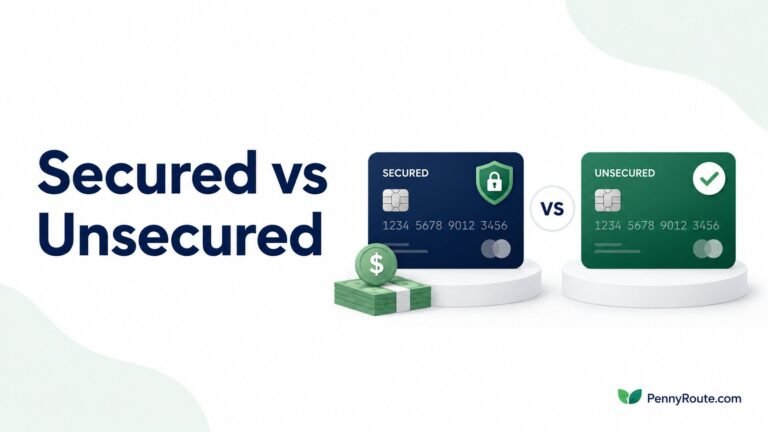
A secured credit card usually requires a refundable cash deposit, while an unsecured credit card usually does not. That deposit protects the card issuer. It is not money you spend from the card, and it…
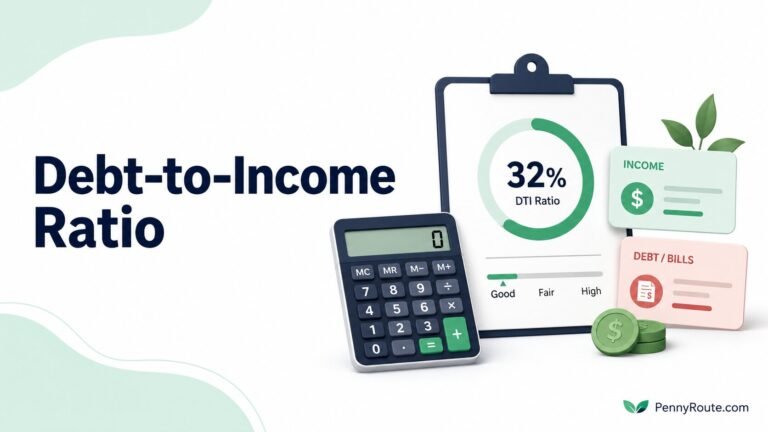
Your debt-to-income ratio shows how much of your gross monthly income is already committed to required debt payments. That number can help you see the effect of a current debt load or estimate what could…
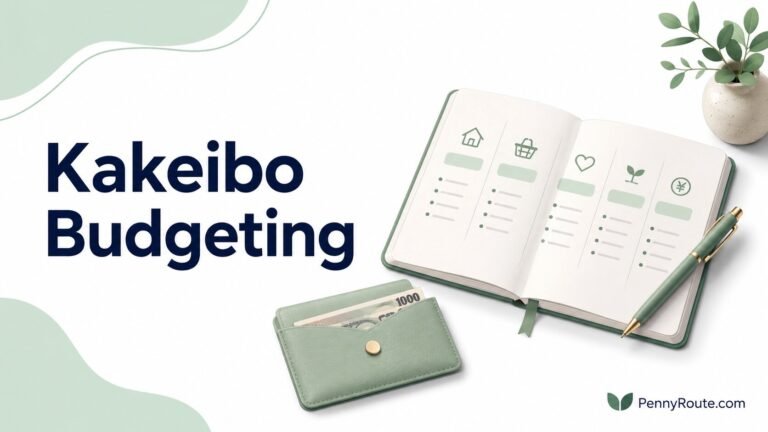
Many budgets tell you where your money went after it is already gone. Kakeibo takes a slower approach. This Japanese budgeting method uses simple written planning and reflection to help you understand your spending before…
Sometimes a purchase is not really about needing the item. You are stressed, bored, excited, lonely, or simply worn out, and spending offers something you want in that moment, such as comfort, distraction, reward, or…
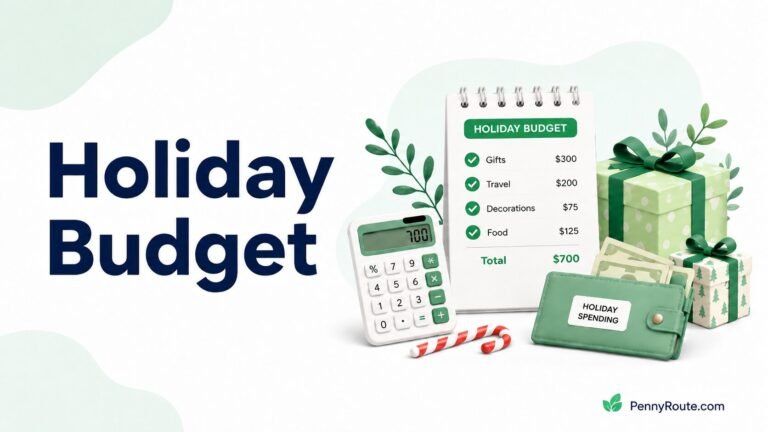
Holiday spending rarely feels like one big purchase at first. It starts with a few gifts, then turns into extra groceries, travel costs, wrapping paper, school events, work parties, decorations, shipping fees, and those last-minute…
When your paycheck arrives, it can already feel divided before you touch it. Bills need to be paid, groceries need room, gas or transportation costs are waiting, and somehow you are still supposed to save…
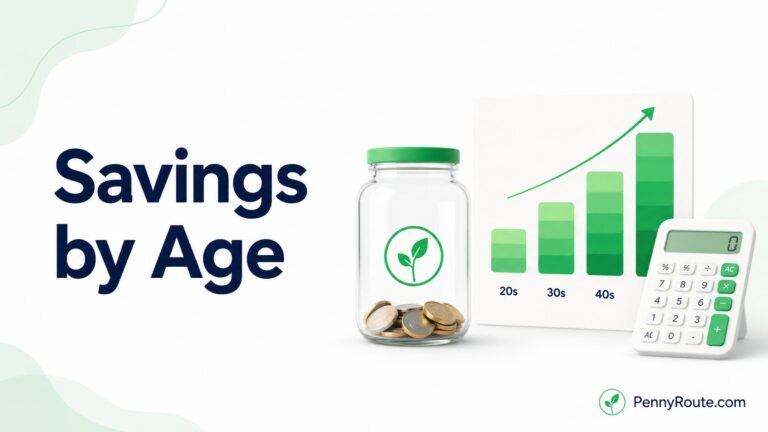
Savings-by-age numbers can be confusing because they do not always measure the same thing. One chart may show money held in checking and savings accounts, while another uses retirement balances or total net worth. That…
When your income is low, your paycheck often has a job before you even see it. Rent, groceries, utilities, transportation, debt payments, and everyday basics can take most of the money before saving even enters…
Missing a credit card payment can be stressful, especially when you are not sure what happens next. One missed payment is different from months of nonpayment, but ignoring the problem can make fees, interest, credit…