Debt negotiation can sound simple from the outside: talk to a creditor, ask for different terms, and try to resolve what you owe. In real life, it can be more complicated.
A debt may involve the original creditor, a collection agency, a settlement offer, fees, credit reporting, tax questions, or legal notices. That is why it helps to understand the terms before agreeing to anything or paying a third-party company.
Debt negotiation does not always mean the same thing as debt settlement, and it does not guarantee that a creditor or collector will accept a lower amount. Some options may reduce pressure, while others may create new risks if the details are unclear.
Disclaimer: This content is for informational purposes only and does not constitute financial, legal, tax, credit, or debt advice. Debt situations can vary widely. Please check official sources and consult a qualified professional before making decisions about debt negotiation, debt settlement, collections, taxes, or legal matters.
Quick Overview: Debt Negotiation and Debt Settlement
- Debt negotiation generally means discussing possible repayment or settlement options with a creditor, lender, or debt collector.
- Debt settlement usually means resolving a debt for less than the full amount owed, which may carry credit, tax, and collection-related risks.
- Not every creditor or collector will agree to change payment terms, reduce a balance, or accept a settlement.
- Any payment arrangement or settlement should be clear, documented, and understood before money is sent.
- Official sources such as the CFPB, FTC, IRS, nonprofit credit counselors, and qualified legal or tax professionals may help explain possible options.
What Is Debt Negotiation?
Debt negotiation generally means discussing possible ways to handle a debt with a creditor, lender, or debt collector. This is different from a debt payoff strategy, where the focus is usually on repaying debt over time using a planned method.
Depending on the situation, that discussion might involve a payment plan, a lower monthly payment, a hardship option, waived fees, reduced interest, or a settlement for less than the full balance.
The term is broad, which is why it may be confusing. One person might use “debt negotiation” to mean asking for a temporary payment arrangement. Another might use it to mean trying to settle a debt for less than the amount owed.
Debt negotiation does not guarantee that the debt will be reduced or that the creditor will agree to different terms. It simply refers to a discussion about possible options.
Because the details may affect credit reporting, taxes, collections, or legal rights, it is important to understand what is being discussed before agreeing to any payment arrangement or settlement.
Debt Negotiation vs. Debt Settlement
Debt negotiation and debt settlement are often used together, but they do not always mean the same thing.
Debt negotiation is the broader term. It may include any discussion about changing how a debt is handled, such as a payment arrangement, hardship plan, fee reduction, lower interest rate, or revised due date.
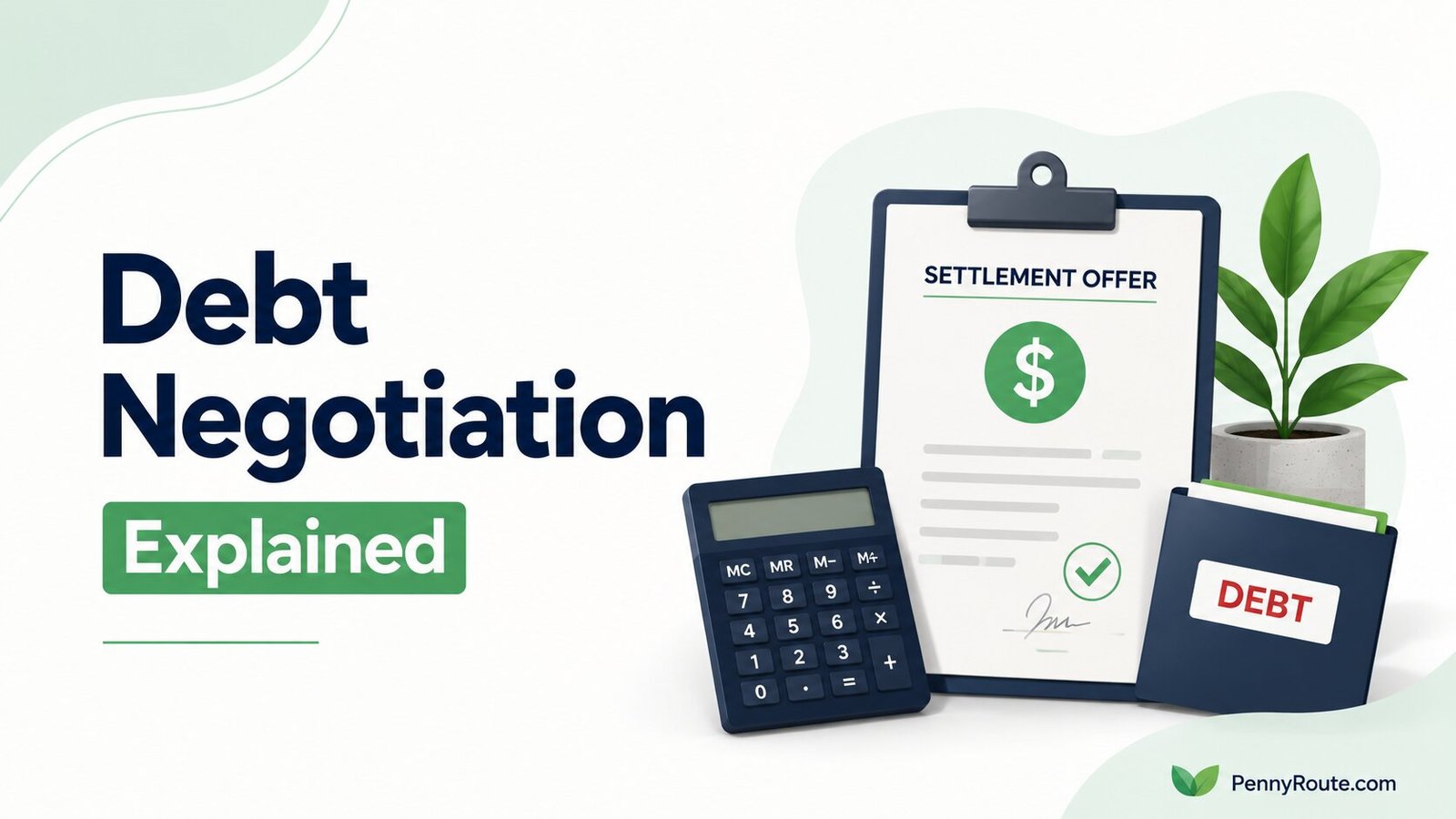
Debt settlement is more specific. It usually means a creditor or collector agrees to accept less than the full amount owed to resolve the debt. For example, a person might owe $3,000 and discuss whether the account could be settled for a lower lump-sum payment or agreed amount.
That difference matters because settlement may come with extra consequences. It might affect credit reporting, collection activity, fees, or taxes, depending on the account and the agreement.
So, when someone hears the phrase “debt negotiation,” the first step is understanding what kind of negotiation is being discussed. A payment plan and a debt settlement are not the same thing.
Can Credit Card Debt Be Negotiated?
Credit card debt may be negotiable in some situations, but the outcome depends on the card issuer, the account status, the amount owed, and whether the debt is still with the original creditor or has been sent to collections.
A credit card issuer might discuss hardship options, a temporary payment arrangement, a lower minimum payment, reduced fees, or other account options. If the debt is already in collections, a collector might discuss a payment plan or a settlement offer, depending on the account and the collector’s policies.
This does not mean every credit card company will agree to reduce the balance. It also does not mean settlement is always available or suitable. A current account, a past-due account, and a collection account may all be handled differently.
The safer way to think about it is this: credit card debt negotiation is a conversation about possible options, not a guaranteed result. Before agreeing to anything, the terms should be clear, written, and understood.
How Debt Negotiation May Work
Debt negotiation may look different depending on the type of debt, who owns it, and whether the account is current, past due, charged off, or in collections. Still, the general process usually involves understanding the debt, discussing possible payment options, and getting any agreement clearly documented.
Reviewing the Debt First
Before any payment discussion, it helps to understand the basic details of the debt. This may include the amount claimed, the name of the creditor, whether the account has been sold or assigned to a collector, and whether the person being contacted recognizes the debt.
For collection accounts, debt validation information may be important. The CFPB explains that debt collectors must provide certain information about the debt, and after receiving that information, consumers generally have 30 days to dispute the debt in writing.
Understanding What Payment Options May Be Discussed
Different options may come up depending on the creditor or collector. These might include a payment plan, hardship arrangement, due-date change, fee reduction, reduced interest, or settlement.
The details matter. A payment plan may mean the full balance is still owed over time. A settlement may mean the creditor or collector accepts less than the full balance to resolve the account. Those are different outcomes, so the wording should be clear before anyone agrees.
Getting Any Agreement in Writing
Any payment arrangement or settlement should be documented clearly before money is sent. The written agreement should explain the amount, due date, payment terms, and whether the payment resolves the full debt or only part of it.
The FTC notes that before making a settlement payment, consumers should get a signed letter saying the payment settles the entire debt and that they no longer owe anything for that debt.
A written agreement may not remove every possible risk, but it may help reduce confusion about what was agreed to.
What to Understand Before Agreeing to a Debt Settlement
A debt settlement may sound simple, but the details matter. Before anyone agrees to settle a debt, it is important to understand what the agreement says, what it does not say, and what may happen after payment.
The Agreement Should Be Clear
A settlement agreement should clearly explain what amount will be paid, when it will be paid, and what the payment does.
For example, the agreement should make clear whether the payment settles the full debt, settles only part of the debt, or starts a payment arrangement. Those are very different outcomes.
If the wording is unclear, the person agreeing to the settlement may not know whether more money could still be requested later.
Credit Impact May Vary
Debt settlement may affect credit, but the impact may depend on the account history. A debt that was already late, charged off, or in collections may be reported differently from an account that was current before settlement.
The credit report wording may also matter. An account marked “settled” is not always the same as an account marked “paid in full.”
Because credit reporting details may vary, check official credit reporting information or speak with a qualified credit or financial professional before relying on assumptions.
Forgiven Debt May Have Tax Consequences
If part of a debt is canceled or forgiven, that amount may be treated as taxable income in some situations. The IRS explains that canceled, forgiven, or discharged debt is generally taxable unless an exception or exclusion applies.
This does not mean every settlement creates the same tax result. The amount forgiven, the type of debt, and the person’s overall tax situation may matter, so IRS guidance or a qualified tax professional may be needed.
Not Every Creditor or Collector Will Agree
Debt settlement is not guaranteed. Some creditors or collectors may discuss settlement, while others may not. Some may prefer a payment plan, hardship arrangement, or full repayment.
That is why settlement should not be treated as a certain outcome. It is one possible result that may or may not be available depending on the account.
Collection Activity May Continue Until Terms Are Clear
Until there is a clear agreement, collection activity may continue. This might include calls, letters, account updates, or other collection steps allowed by law.
A written agreement may help clarify what happens after payment, but the terms should be clear before money is sent. If there is a lawsuit, court notice, wage garnishment, or legal deadline involved, qualified legal help may be important.
Debt Negotiation Companies: What to Check Carefully
Debt negotiation companies may offer to contact creditors or collectors on a customer’s behalf. Some may describe their services as debt relief, debt settlement, debt resolution, or a debt negotiation program.
This is an area where caution matters. The CFPB warns that some debt settlement companies may charge expensive fees, encourage consumers to stop paying credit card bills, fail to settle all debts, or run into creditors that refuse to work with them.
Upfront Fees or Large Promises
Be careful with any company that asks for fees before doing meaningful work or promises a specific result. Debt relief outcomes may vary, and no company should make settlement sound guaranteed.
The FTC says debt relief service providers that use telemarketing generally cannot charge fees before they settle or otherwise resolve a customer’s debt.
Advice to Stop Paying
Some companies may tell customers to stop paying creditors while money builds in a separate account. That may create serious risks. Missed payments may lead to late fees, penalty interest, collection activity, credit damage, or legal action in some cases.
Before following any instruction like that, check official consumer protection sources and consider qualified guidance.
Unclear Fees or Terms
A debt negotiation company should clearly explain its fees, process, timeline, risks, and what happens if no settlement is reached. If the terms are vague, rushed, or difficult to understand, that is a reason to slow down.
Any agreement with a company should be reviewed carefully before signing.
Official Resources Matter
Before paying or signing up with any debt negotiation company, it may help to check consumer protection resources from the CFPB and FTC. These sources explain common debt relief risks, scam warning signs, and consumer rights.
When Official Help or Professional Guidance May Be Needed
Debt negotiation may involve more than one issue at the same time: repayment terms, collection rights, credit reporting, taxes, and sometimes legal deadlines. When the situation is unclear, official sources or qualified guidance may help explain possible options.
Nonprofit Credit Counseling
A nonprofit credit counselor may help review a person’s budget, explain repayment options, and discuss whether a debt management plan may fit the situation.
This is different from a debt settlement company. Credit counseling usually focuses on budgeting, repayment, and education, while debt settlement usually focuses on resolving debt for less than the full balance.
Legal Help for Court Notices or Lawsuits
If a debt involves a lawsuit, court notice, wage garnishment, lien, or legal deadline, it is important to speak with a qualified legal professional or local legal aid organization.
Debt collection laws and court rules may vary by location, so general online information may not be enough for legal decisions.
Tax Guidance for Canceled Debt Questions
If a settlement may involve canceled or forgiven debt, tax guidance may be needed. The IRS has information on canceled debt, but a qualified tax professional may help explain how the rules apply to a specific situation.
CFPB and FTC Consumer Resources
The CFPB and FTC offer consumer information about debt collection, debt relief companies, credit reporting, and complaint options. These resources may help understand rights, warning signs, and official next steps before agreeing to anything.
What to Avoid When Learning About Debt Negotiation
Debt negotiation can be confusing because the same terms are often used in different ways. A payment plan, hardship option, debt settlement, and debt relief program may all sound similar, but they may lead to very different outcomes.
Here are a few assumptions to avoid.
Assuming Every Debt Can Be Settled
Not every creditor, lender, or collector may agree to a settlement. Some may offer a payment plan instead. Others may require the full balance or have rules about what they will discuss.
Settlement should not be treated as a guaranteed option.
Paying Before the Terms Are Clear
Sending money before the agreement is clear may create confusion later. The written terms should explain the amount, due date, payment method, and whether the payment settles the full debt.
Without clear terms, it may be hard to know what the payment actually resolved.
Ignoring Debt Validation Information
For collection accounts, validation information may help someone understand who is collecting, how much is claimed, and what the debt relates to.
Ignoring this information may make it harder to identify mistakes, outdated details, or accounts that need closer review.
Trusting Guaranteed Settlement Claims
Be careful with any company or advertisement that makes debt settlement sound certain, fast, or risk-free. Debt relief outcomes may vary, and official consumer protection sources warn that some debt relief offers may create fees, missed-payment risks, or scam concerns.
Confusing “Settled” With “Removed From Credit Reports”
A settled debt does not automatically mean the account disappears from credit reports. Credit reporting may depend on the account history, reporting practices, and the terms of the agreement.
Before relying on any credit-related claim, check official credit reporting information or speak with a qualified professional.
Start With the Terms, Not the Promise
Debt negotiation may sound simple when it is described as lowering or settling a balance, but the details matter more than the headline.
Before agreeing to anything, the most important question is what the terms actually mean. Is the payment part of a plan, a full settlement, or only a partial arrangement? Are there fees? Could collection activity, credit reporting, taxes, or legal issues still matter afterward?
A clear agreement is easier to understand than a rushed promise. If the wording is vague, the pressure is high, or the outcome sounds guaranteed, that is a reason to slow down.
Before making a debt decision, it may help to check official consumer resources or speak with a qualified professional, such as a nonprofit credit counselor, legal professional, or tax professional, depending on the situation.
Debt decisions are easier to handle when the terms are clear, the risks are understood, and the next step is based on reliable information instead of pressure.
FAQs About Debt Negotiation
Is debt negotiation the same as debt settlement?
Not always. Debt negotiation is a broad term that may include payment plans, hardship options, reduced fees, lower interest, or settlement discussions. Debt settlement usually means resolving a debt for less than the full amount owed.
Can credit card debt be negotiated?
Credit card debt may be negotiable in some situations, but outcomes may vary by issuer, account status, balance, and whether the debt is with the original creditor or a collection agency. Any agreement should be clear and documented before payment.
May debt settlement affect credit?
Debt settlement may affect credit, especially if the account is late, charged off, or in collections. Credit reporting may vary depending on the account history, the agreement, and how the creditor or collector reports the account.
May forgiven debt create tax questions?
Forgiven or canceled debt may create tax questions in some situations. IRS guidance or a qualified tax professional may help explain whether any exception or exclusion applies.

PennyRoute Editorial creates beginner-friendly guides on budgeting, saving, and everyday money habits. Our goal is to make personal finance easier to understand with clear explanations, realistic examples, and practical steps.