How Much Money Should You Keep in Checking?
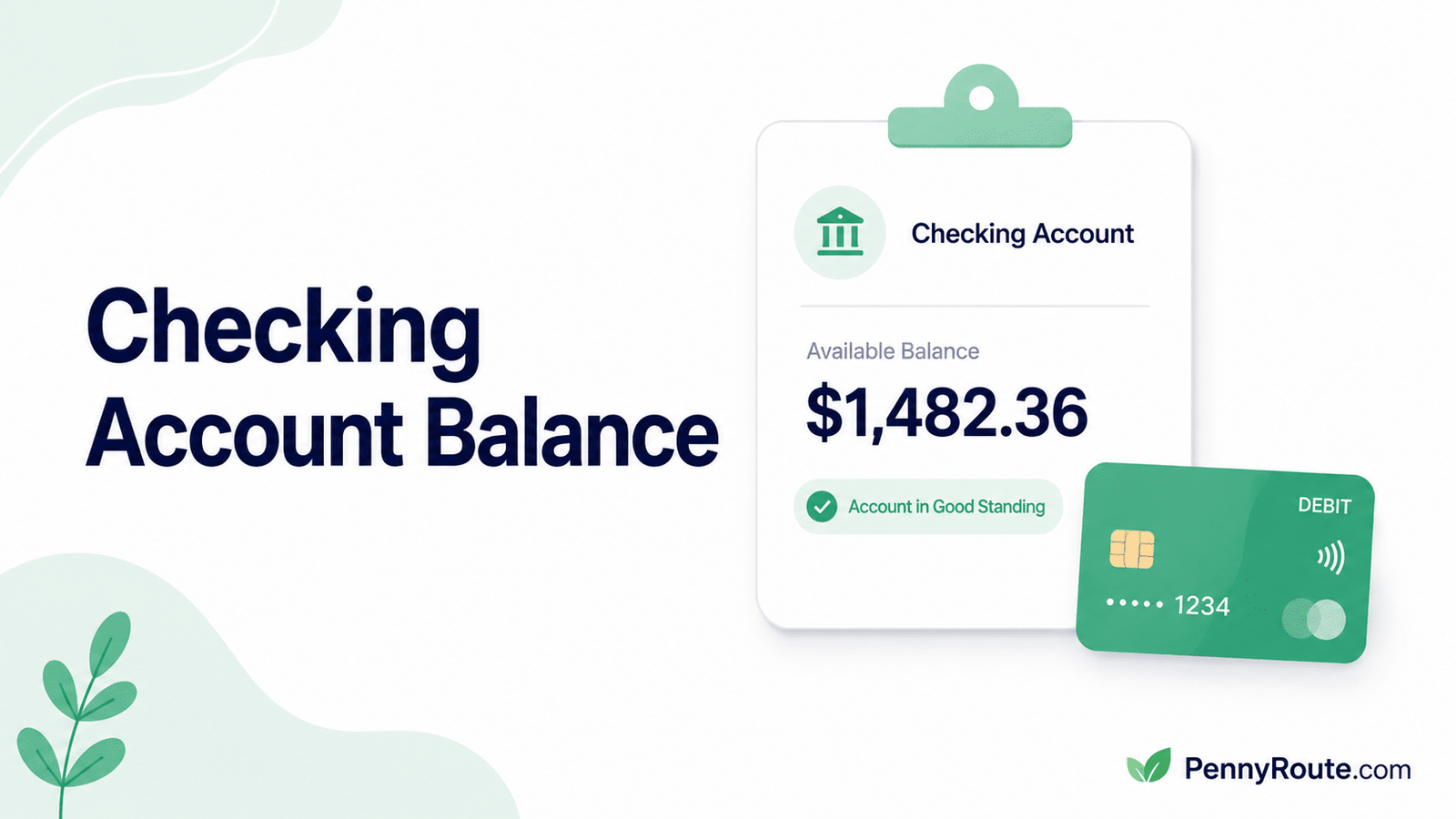
Keeping too little money in checking can leave you short when several bills clear close together. Keeping too much can leave cash sitting in an everyday spending account even though…

Money Guide helps you understand everyday financial terms, banking topics, account features, fees, interest, credit basics, and other personal finance concepts in simple language. It is a beginner-friendly place to build financial literacy without confusing jargon.
Keeping too little money in checking can leave you short when several bills clear close together. Keeping too much can leave cash sitting in an everyday spending account even though…
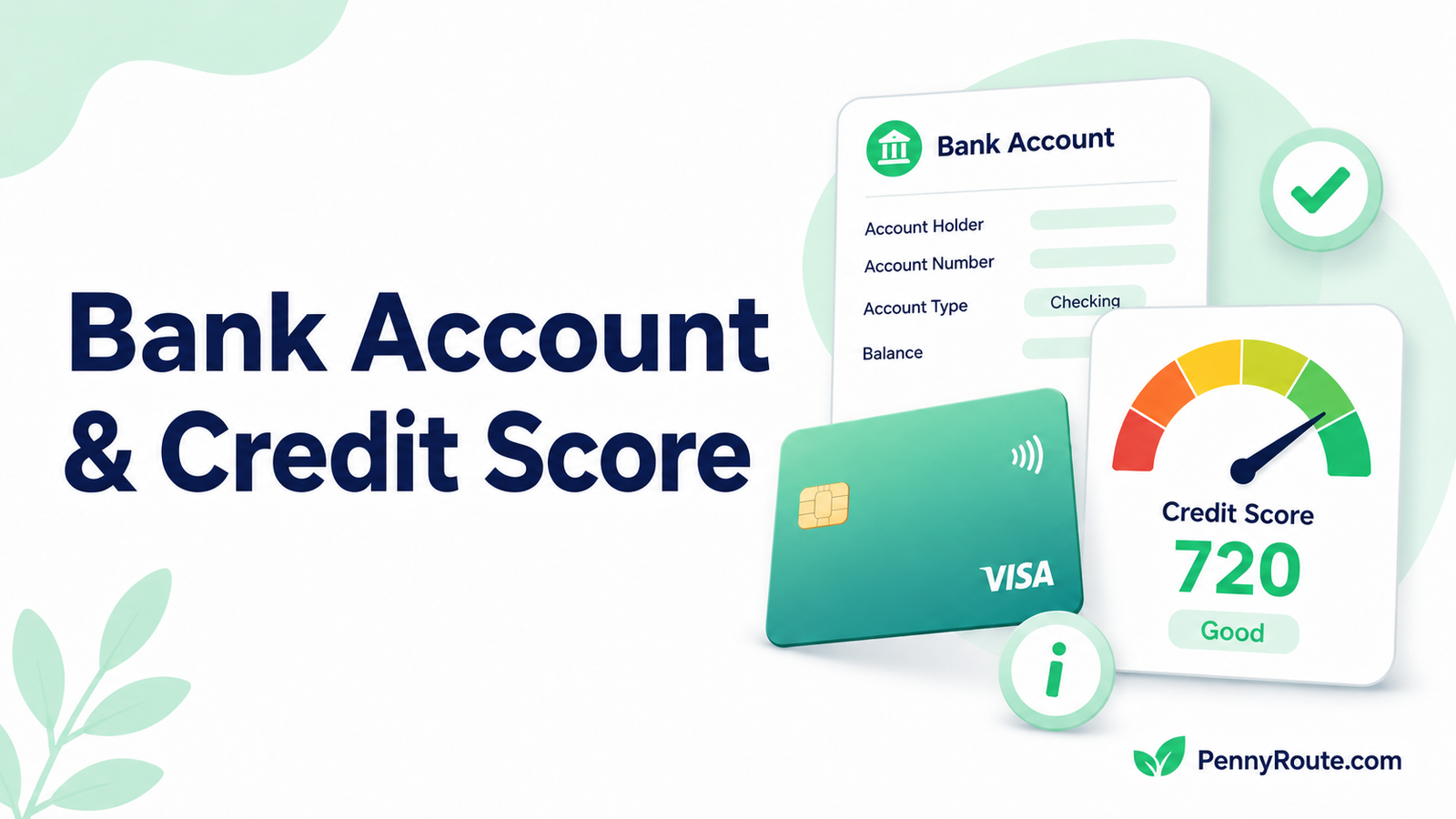
Opening a checking or savings account usually does not affect your credit score because these accounts hold your money rather than extend credit. The answer can change when the application…
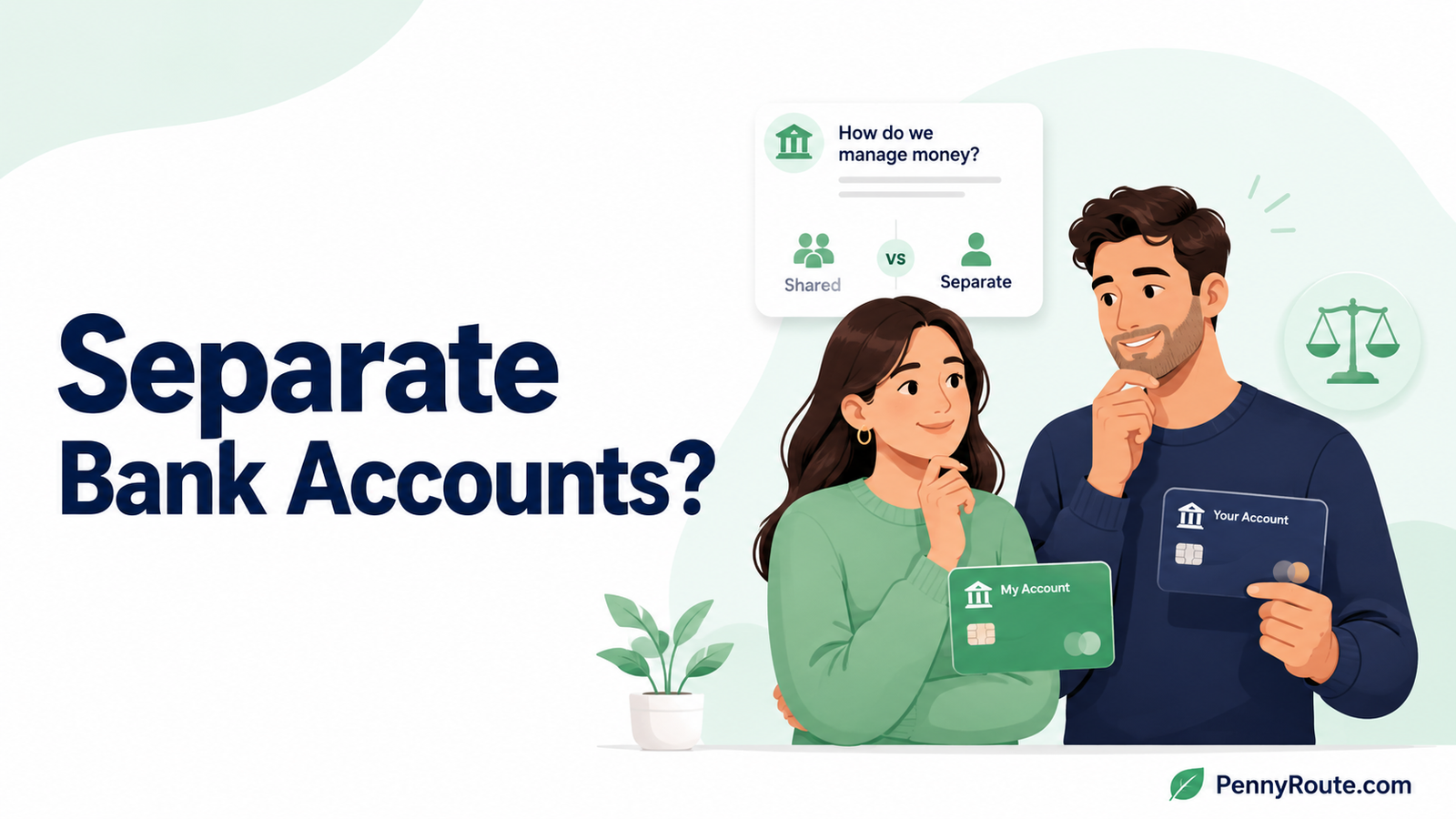
If you’re wondering whether couples should have separate bank accounts, there is no setup that automatically works better for every relationship. Separate accounts can give each person more control over…
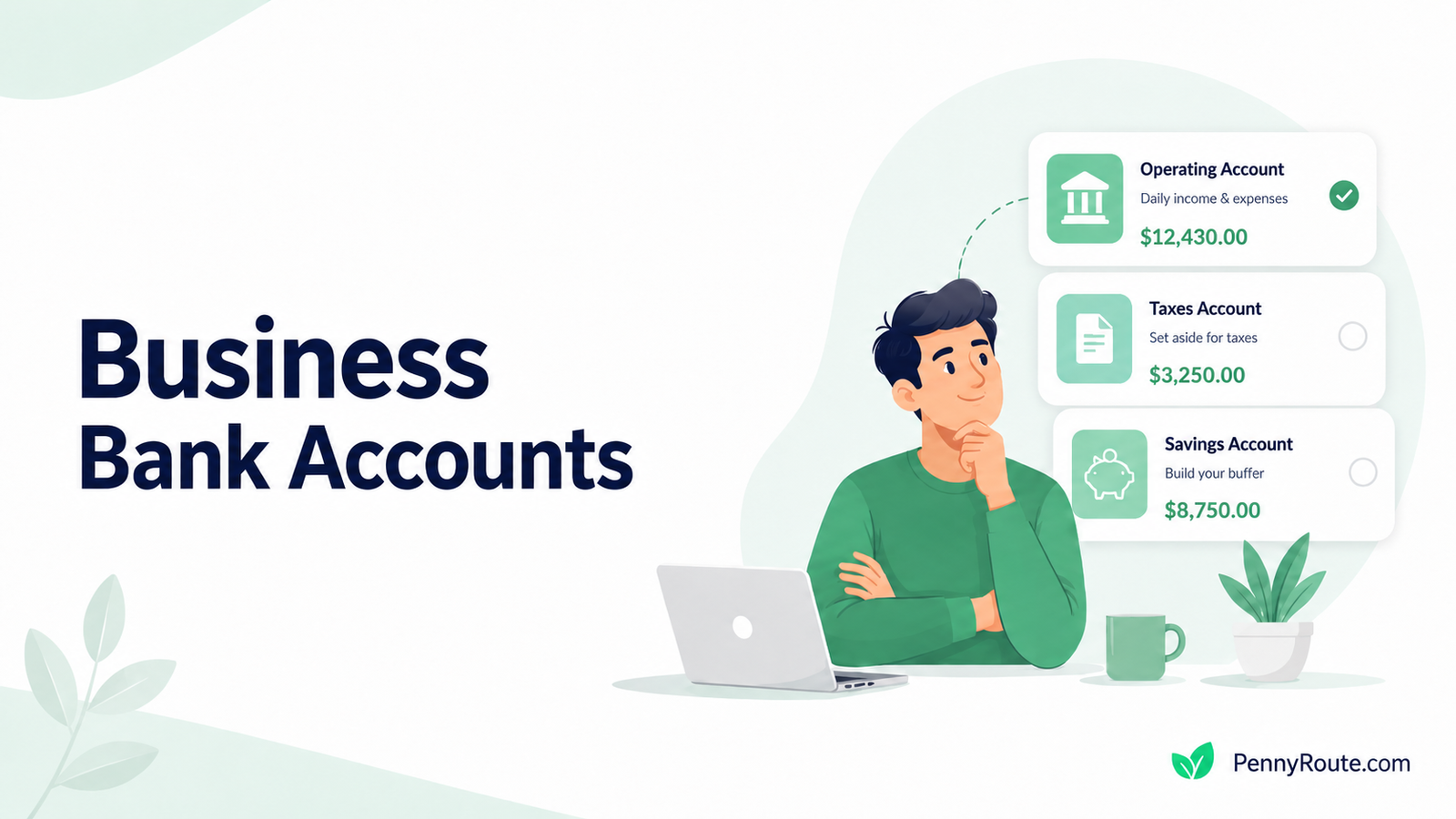
Business checking and personal checking accounts handle many of the same everyday transactions, but they are meant for different money. A personal checking account holds your income and covers household…
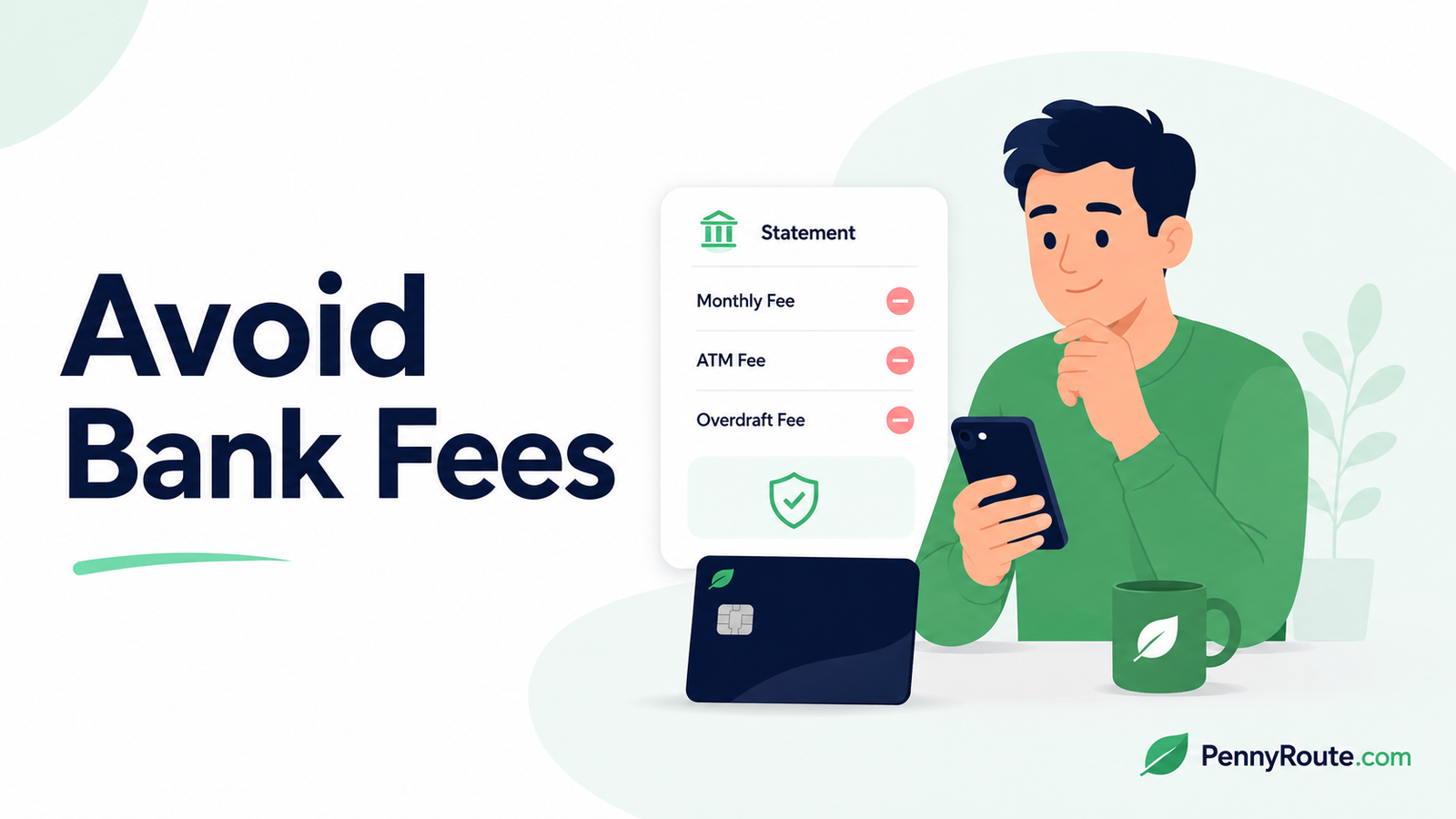
Bank fees are frustrating partly because the charge often appears after the decision that caused it. A balance dipped too low, an ATM was outside the network, or an account…
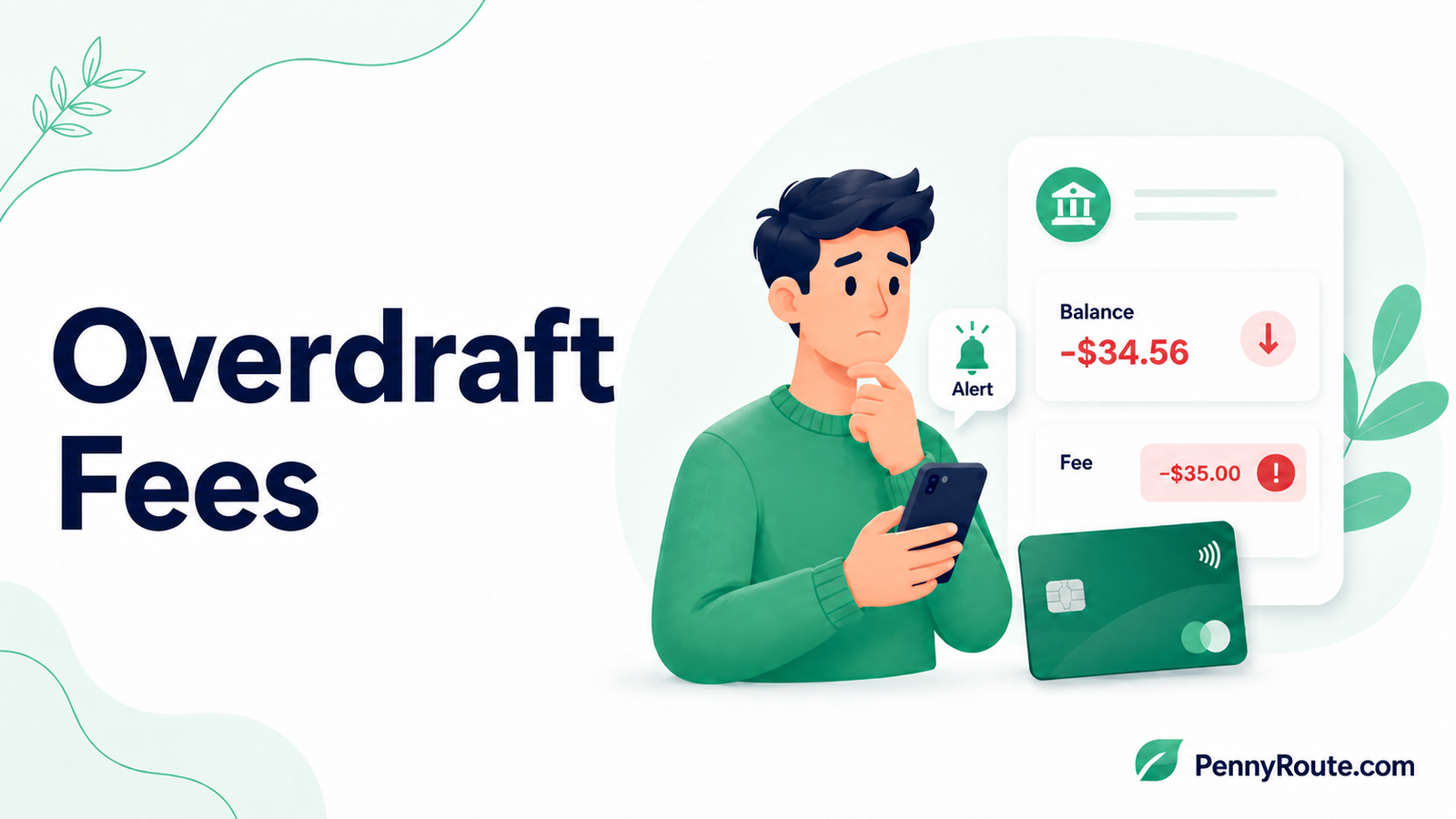
Banks charge overdraft fees when they approve a transaction that your available balance cannot fully cover. The bank is effectively covering the shortfall so the payment goes through, but the…
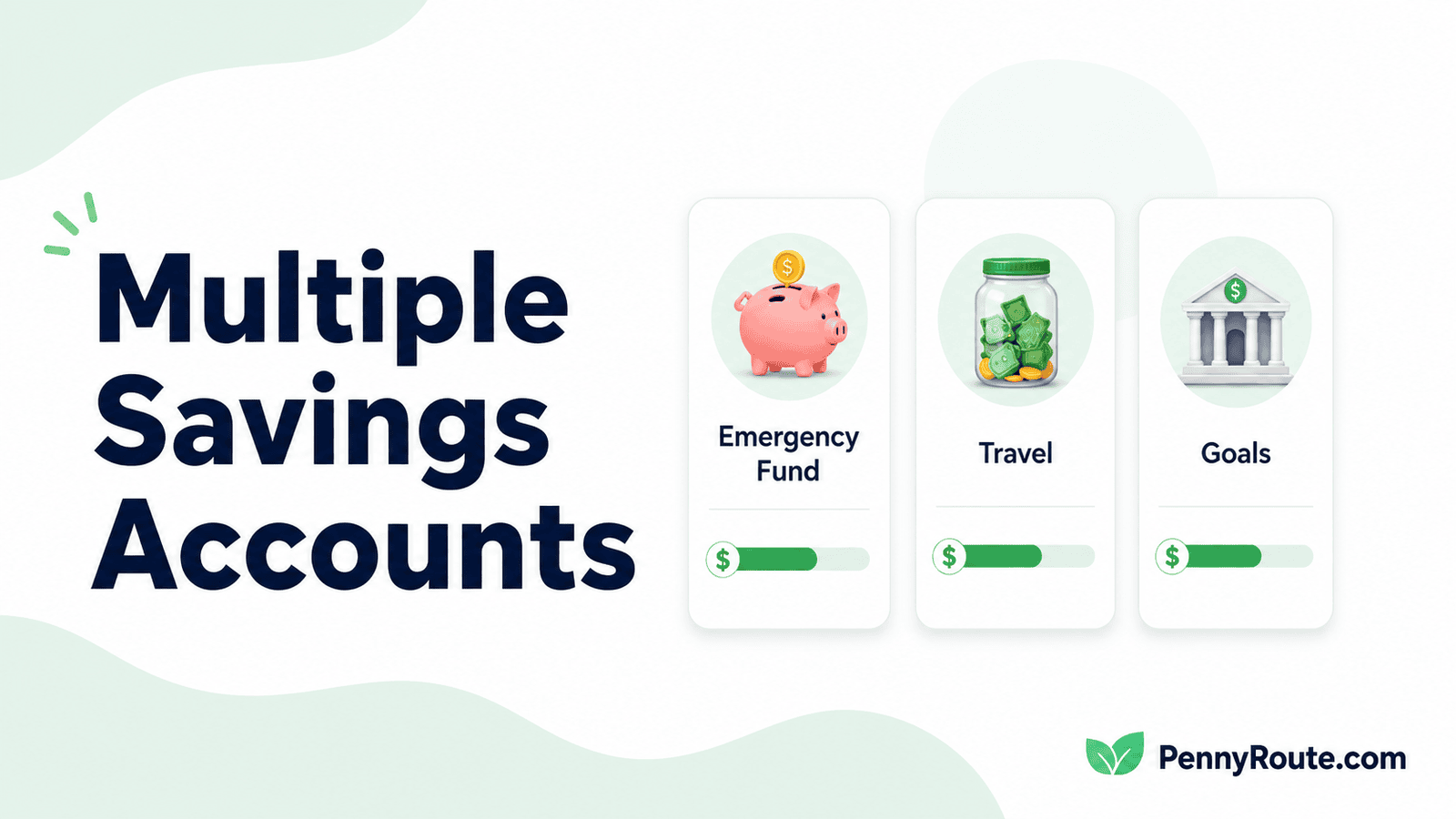
Yes, you can have multiple savings accounts. You may keep them at the same bank, spread them across different banks, or use a combination of both. Each account remains separate,…

You can have more than one Capital One account, but there is no single limit covering every product. Capital One currently allows up to three separate 360 Checking accounts. You…
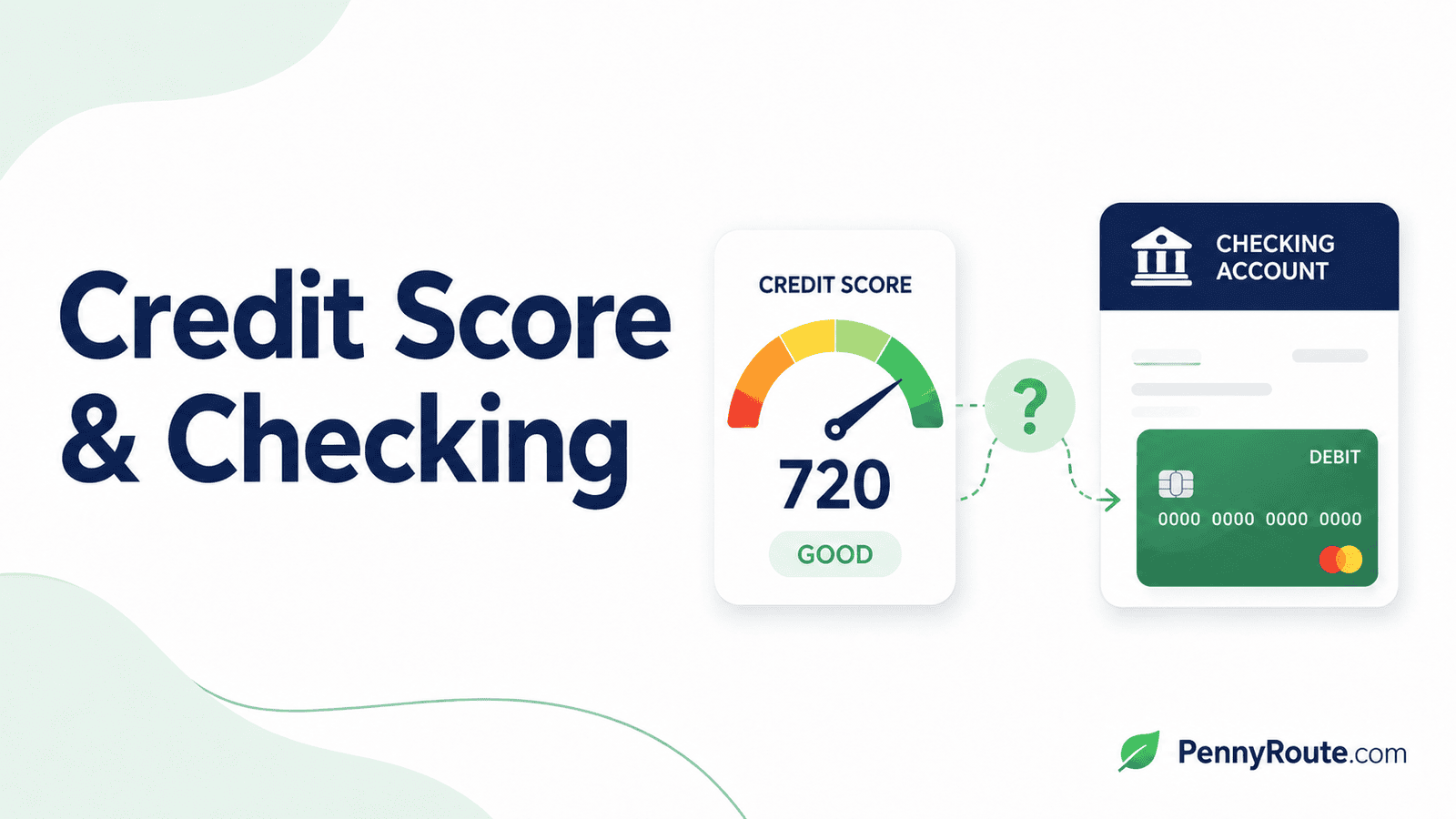
Bad credit does not automatically prevent you from opening a checking account. Standard checking accounts hold and move your money, so banks usually do not require a particular credit score…
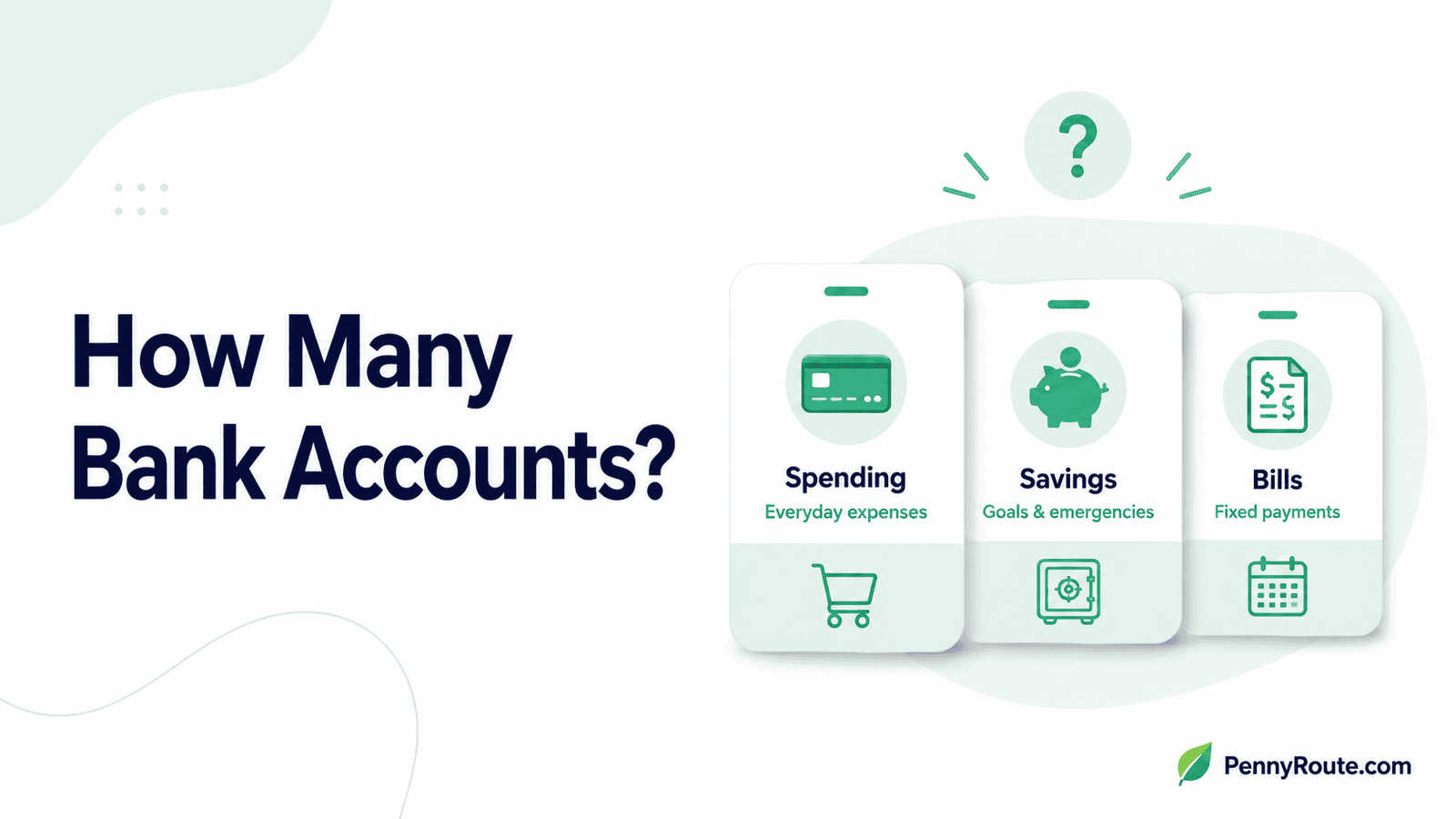
There is no perfect number of bank accounts. One checking account and one savings account may be enough when your finances are simple. Another person may need a separate place…
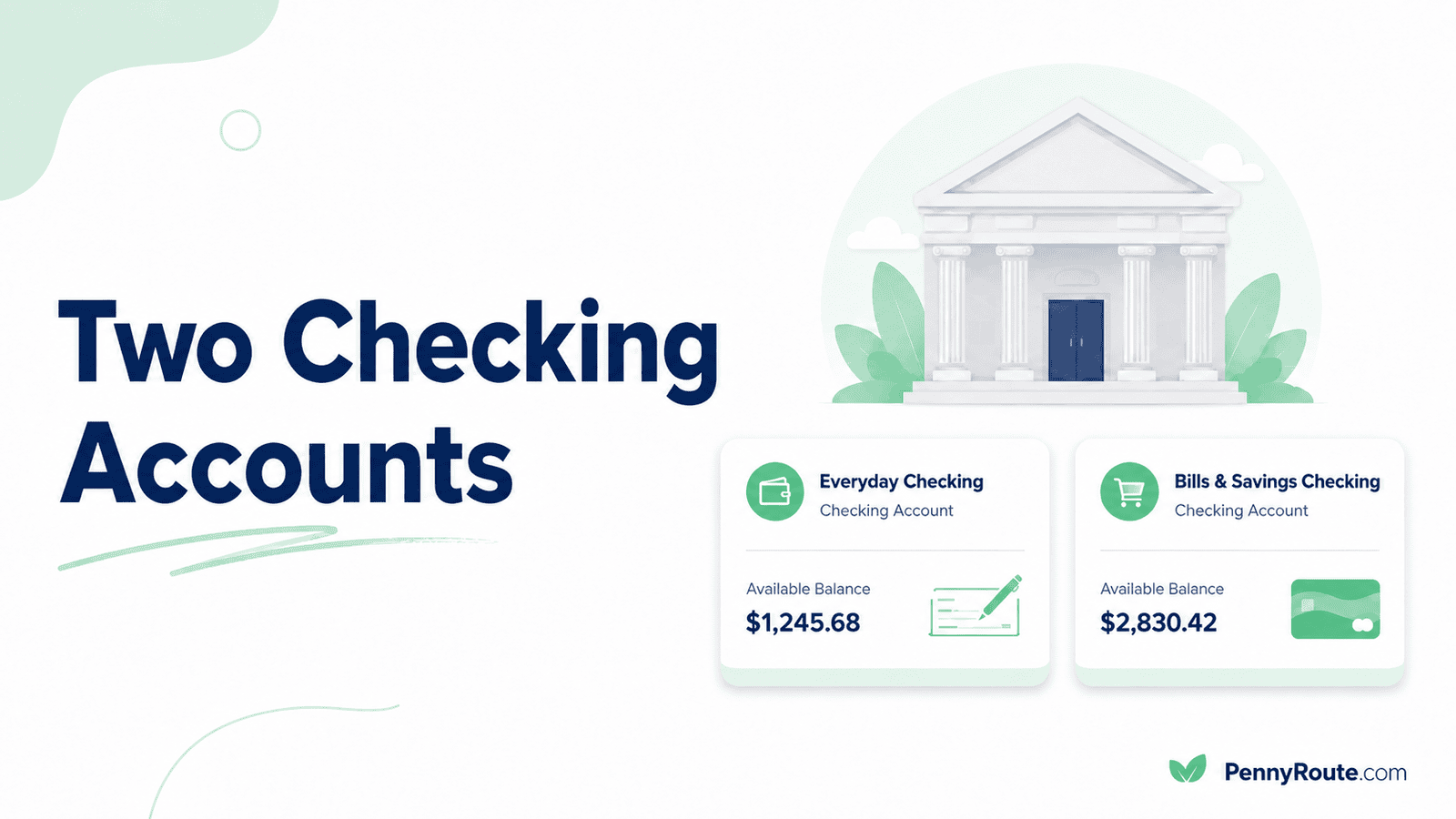
Yes, you can usually have two checking accounts at the same bank. Both accounts may appear under one online banking login, but they still work as separate accounts with their…